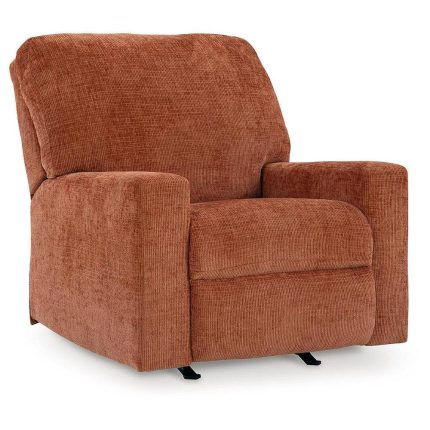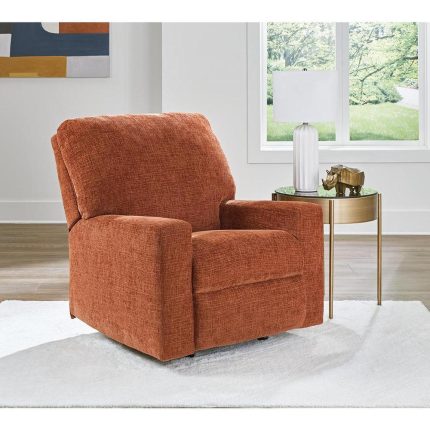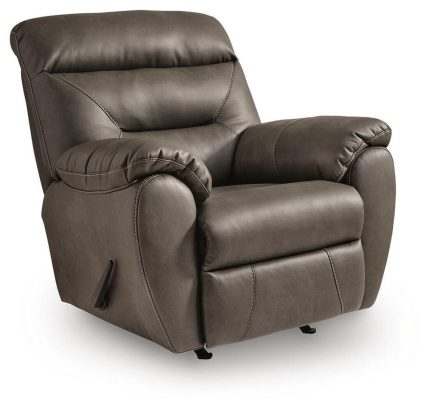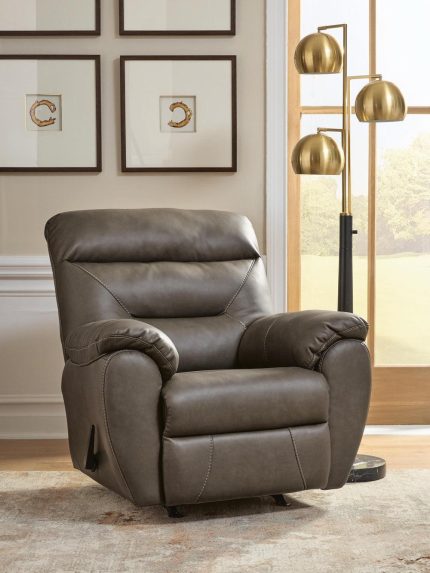
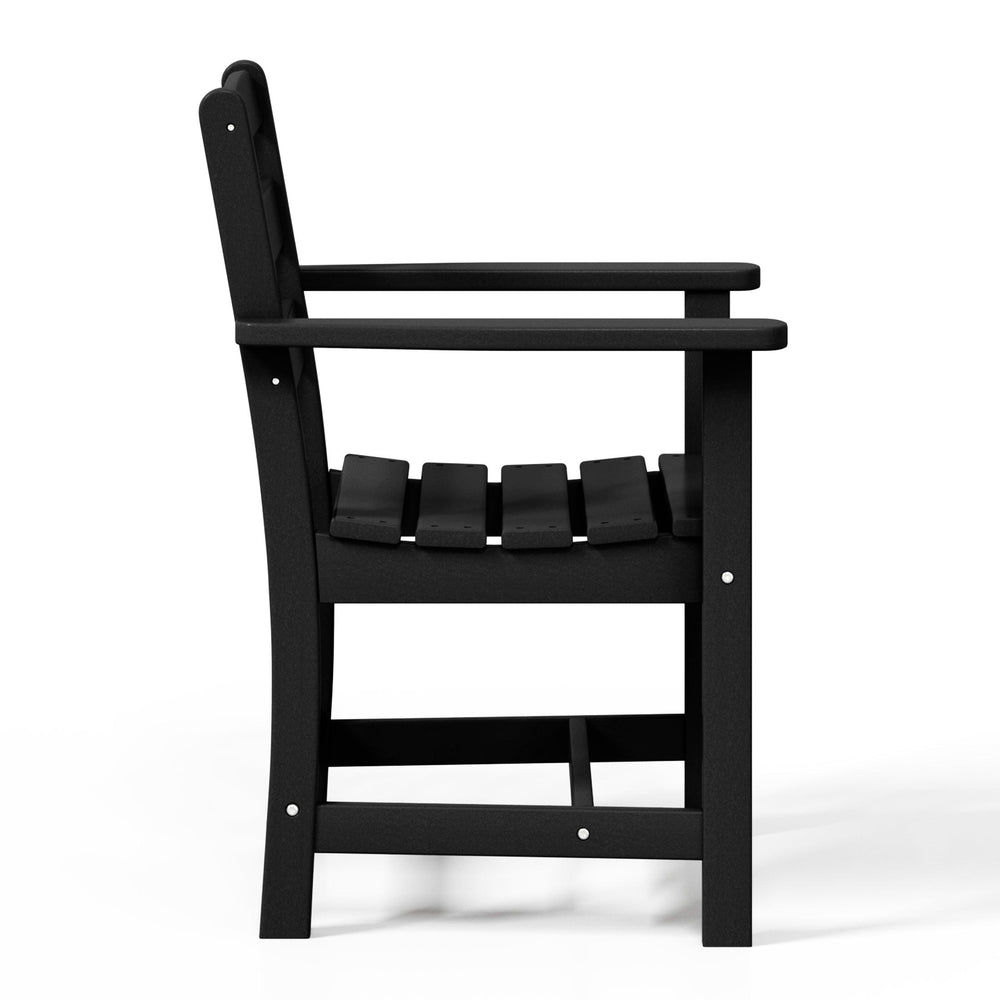
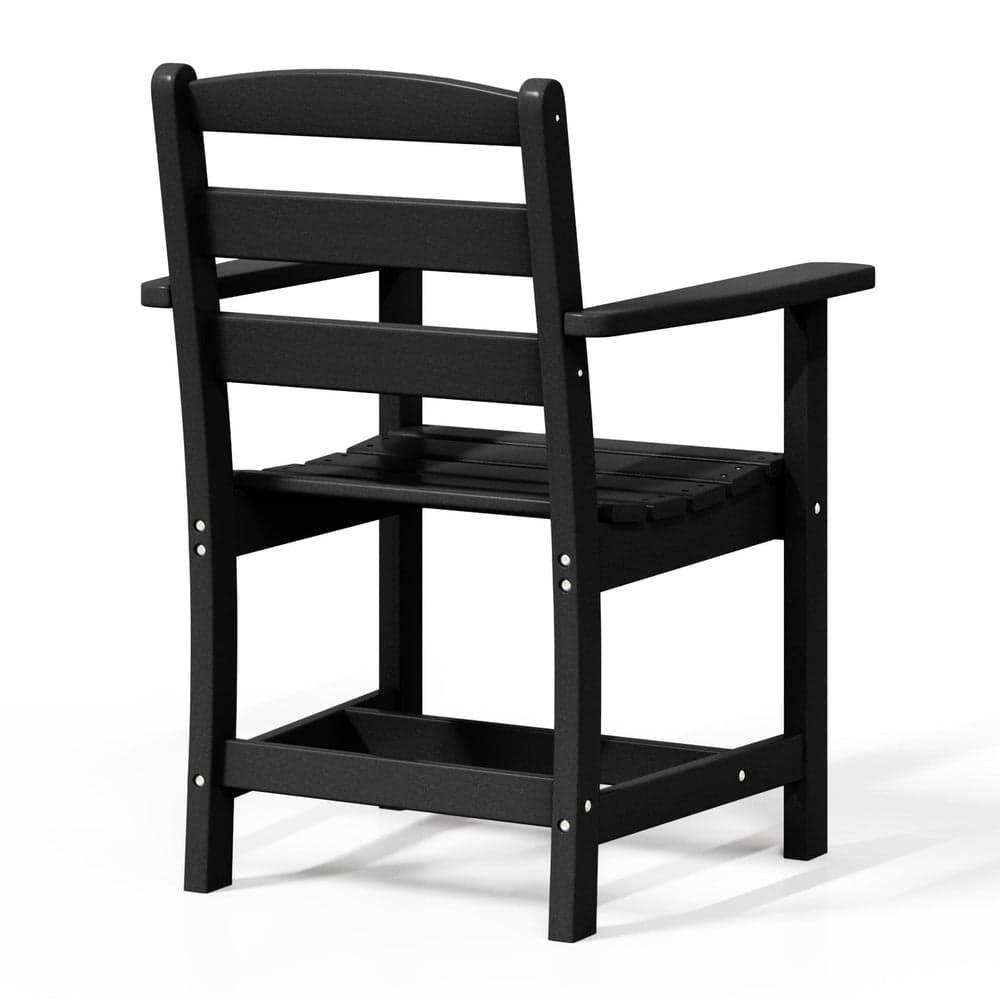
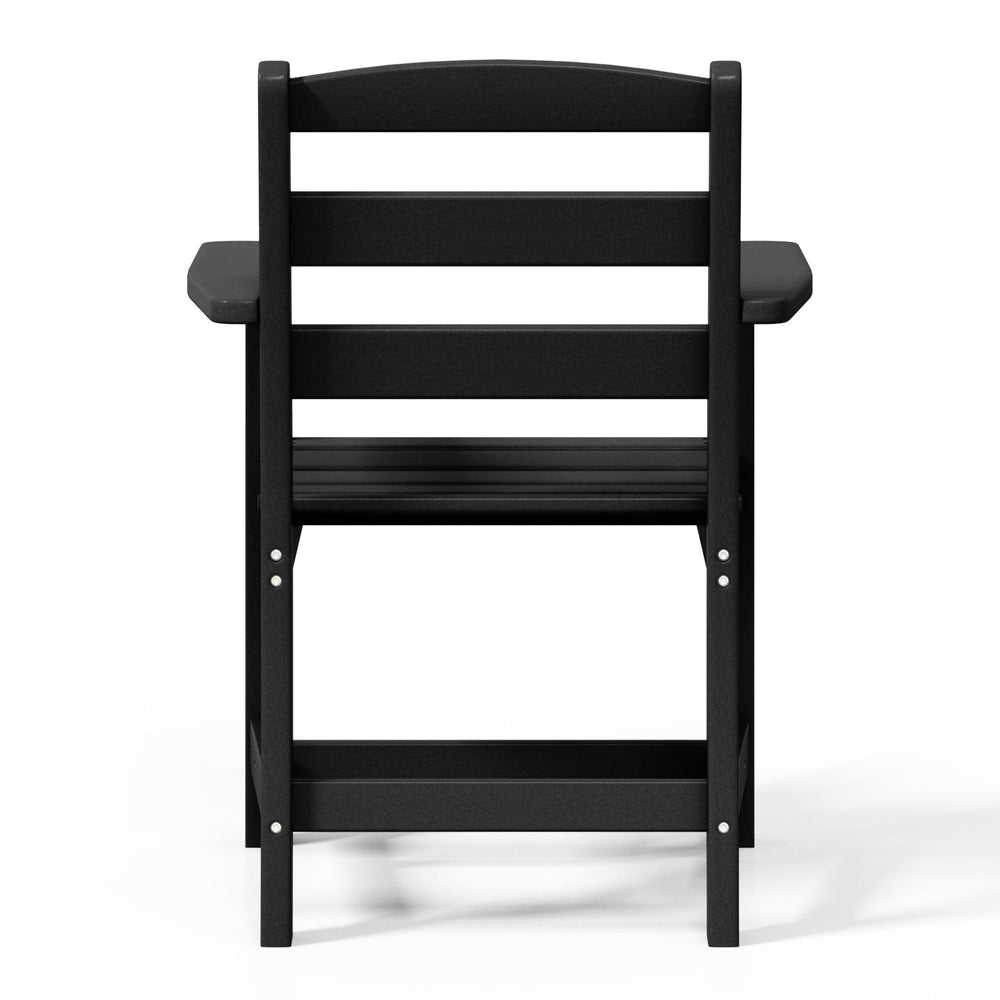

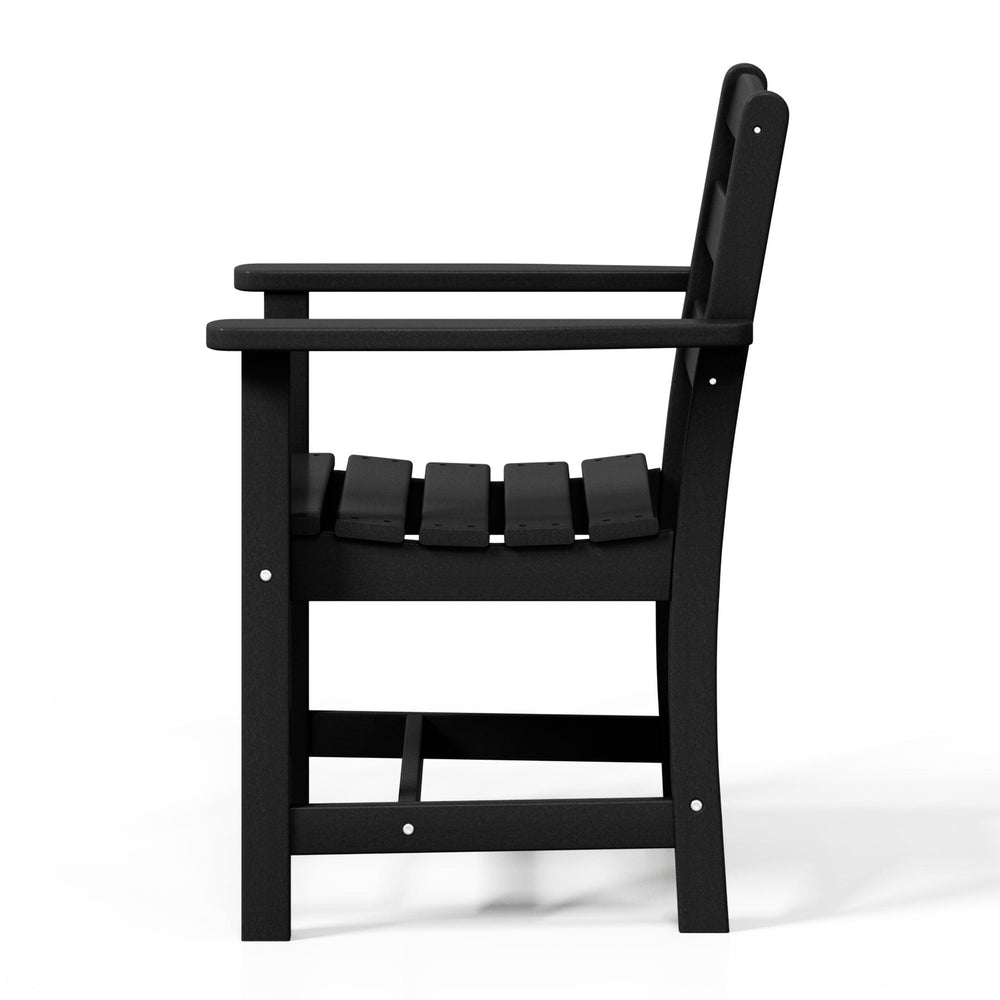
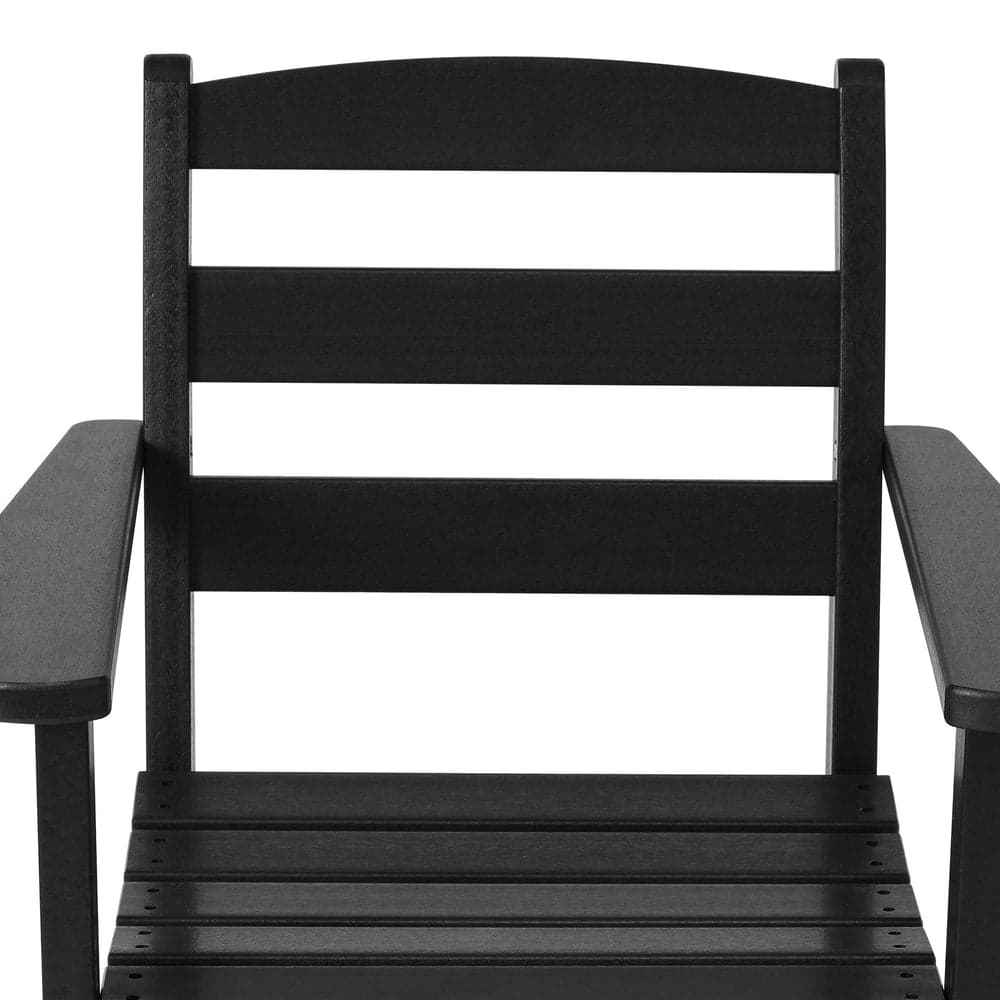
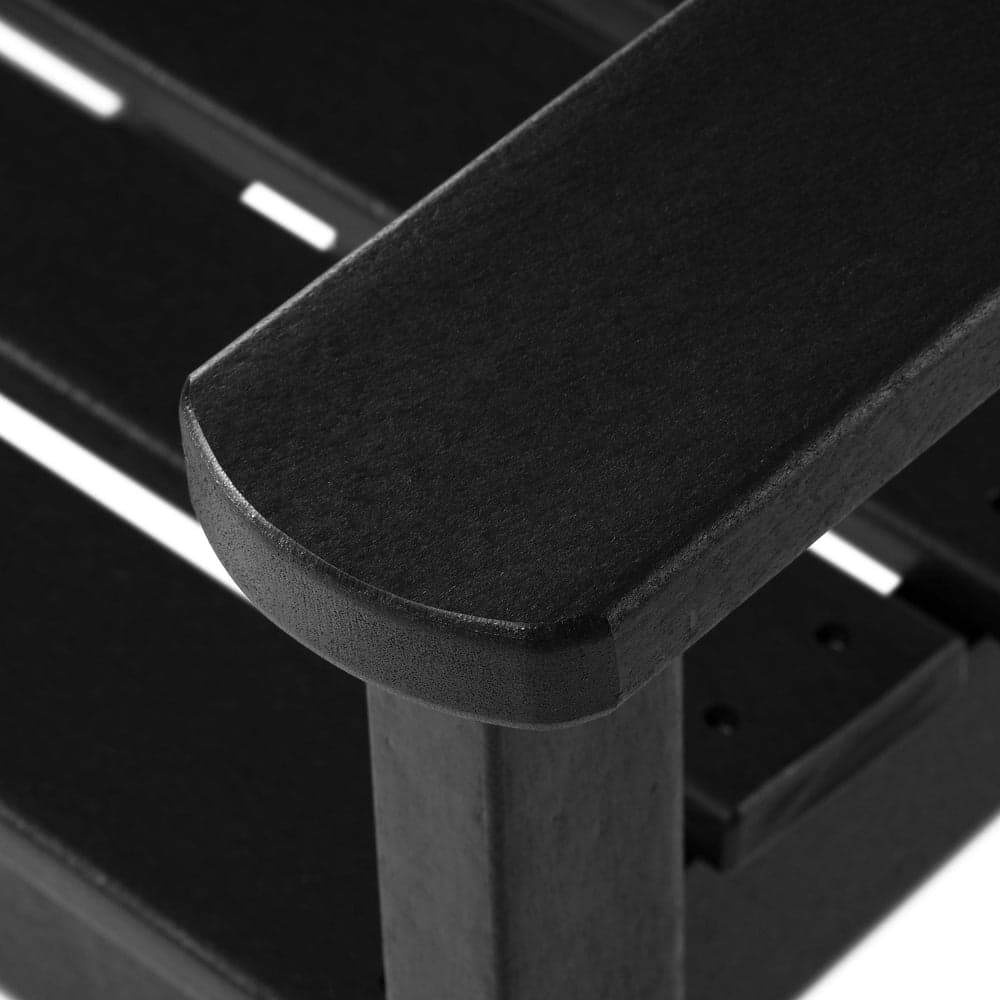
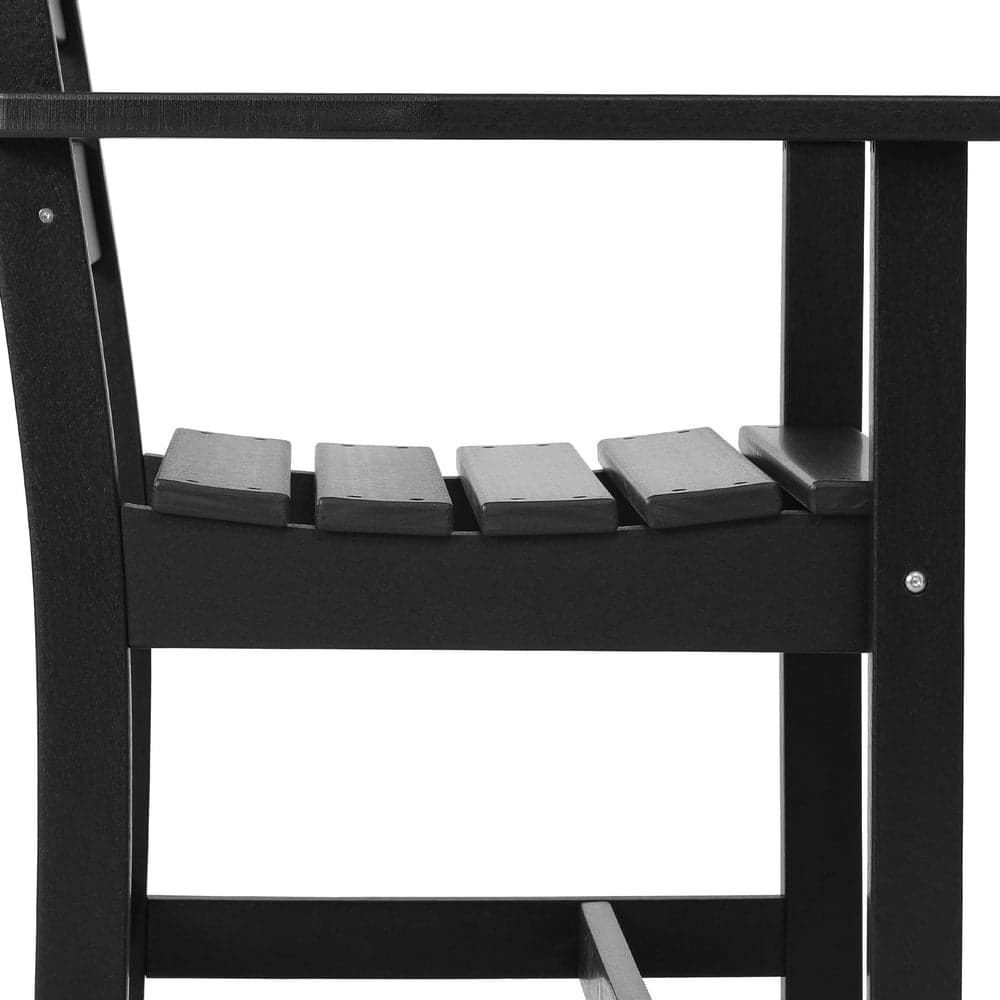
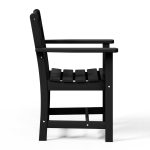
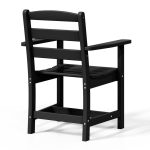
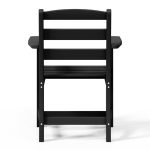
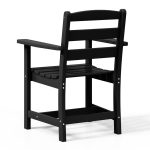
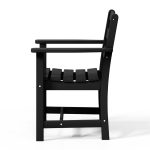
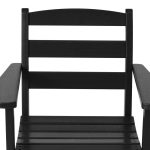
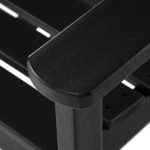
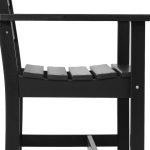
Concord Dining Arm Chair
Original price was: $169.00.$50.99Current price is: $50.99.
The Concord dining arm chair is engineered for outdoor patio dining – HDPE construction handles the elements while the silhouette reads dressier than typical patio furniture. Set alongside a matching Concord table for a coordinated dining setup.
HDPE – high-density polyethylene – is what makes Seahawk Designs pieces last on porches and decks that eat wood furniture. No rot, no rust, no splinters. Color is molded through the material rather than painted on, so scratches don’t reveal a different color underneath. Available in 10 colors that hold up through years of Shore sun without fading noticeably.
For Shore-town households from Absecon to Cape May, this is the outdoor category that doesn’t need annual re-staining or replacement. Come see Seahawk Designs pieces on our showroom floor at Kensington in Northfield.
Questions & Answers
What is HDPE and why is it used for outdoor furniture?
HDPE is high-density polyethylene – a durable, weather-resistant plastic that reads like painted wood. It doesn’t rot, splinter, warp, or need re-staining. Color is molded through the material, not painted on, so scratches don’t reveal a different underlying color.
What colors does the Concord dining arm chair come in?
Seahawk offers this piece in 10 colors. Common palette includes classic and coastal-friendly tones – black, white, sand, teak, and additional accent colors. Ask a Kensington consultant for the current color availability.
What is the standard dimension for the Concord dining arm chair?
Standard Concord sizing for this piece – check the spec sheet on the product page for exact width, depth, and height measurements.
Will this piece handle salt-air Shore weather?
Yes – HDPE construction is engineered for real coastal weather including salt air, UV, and rain. Kensington customers from Ocean City to Cape May have Seahawk pieces on their porches for years without noticeable fading or degradation.
How do I clean and maintain HDPE outdoor furniture?
HDPE is essentially maintenance-free – no staining or sealing needed. Wash with mild soap and water for spills; the material doesn’t absorb liquids. Snow and freezing temperatures don’t damage HDPE.